🧠 PTSD Trauma Processing Workbook: A Compassionate Tool for Healing and Recovery
The 🧠 PTSD Trauma Processing Workbook is a structured, guided resource designed to support individuals on their journey toward emotional healing and mental well-being. It combines therapeutic tools, journaling prompts, self-care trackers, and emotional processing exercises into one cohesive planner. This workbook is particularly suited for those who are seeking a structured approach to trauma recovery, offering both guidance and flexibility to meet individual needs.
Individuals may be drawn to this workbook for several reasons. For those dealing with post-traumatic stress disorder (PTSD) or other trauma-related challenges, having a dedicated space to process emotions, track progress, and engage in reflective practices can be invaluable. The workbook’s inclusion of daily, weekly, and monthly planners helps users maintain consistency in their healing journey by encouraging regular reflection and goal-setting.
Key Features and Benefits
The workbook includes several features that make it a versatile tool for trauma processing:
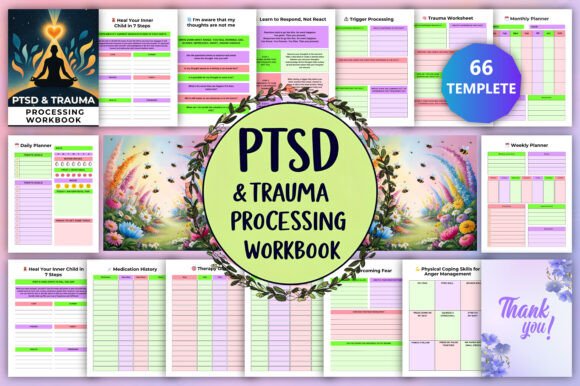
- Daily, Weekly, and Monthly Planners: These allow users to track mood, water intake, goals, and gratitude, promoting mindfulness and accountability in daily life.
- Trauma Trigger Worksheets: These help identify past traumas and recognize triggers, enabling users to develop actionable healing plans tailored to their specific experiences.
- Inner Child Healing Exercises: Structured guidance and reflection pages assist in addressing childhood wounds, fostering emotional growth and self-compassion.
- Health Therapy Trackers: Users can log medication, therapy sessions, doctor visits, and progress notes, helping them stay organized and informed about their treatment plan.
- Emotional Processing Tools: Worksheets are available for processing anger, anxiety, fear, self-worth, self-compassion, and grief, offering targeted support for various emotional challenges.
- Growth Goal Setting: Vision boards, monthly goal planning, habit tracking, and dream life mapping encourage long-term personal development and motivation.
- Self-Love Affirmations: Prompts help build self-acceptance and challenge negative inner critics, reinforcing positive self-image and resilience.
The workbook also offers a variety of file formats, including editable Canva links, high-quality PDFs, JPGs, and 66 different Canva templates, making it adaptable for both personal use and professional printing.
Considerations and Tradeoffs
While the 🧠 PTSD Trauma Processing Workbook provides valuable structure and tools, it is important to consider its limitations. It is not a substitute for professional therapy or medical advice. Individuals with severe PTSD or complex trauma may benefit from working alongside a licensed therapist or counselor. Additionally, the effectiveness of the workbook depends largely on the user's commitment to engaging with its content regularly and honestly.
Another consideration is the need for self-direction. While the workbook offers guidance, it does not provide personalized support or intervention. Users must be willing to take initiative in their healing process and apply the tools provided in a way that resonates with their unique experiences and needs.
Situations Where This Workbook Is a Strong Fit
This workbook may be especially beneficial for individuals who are looking for a structured yet flexible approach to trauma recovery. It is ideal for those who prefer self-guided healing methods or want to supplement their therapy with additional resources. People who value journaling, goal-setting, and self-reflection may find the workbook particularly helpful in organizing their thoughts and tracking their emotional progress over time.
It is also suitable for individuals who are interested in developing self-care routines and building emotional resilience. The workbook’s focus on self-love affirmations and inner child healing makes it a good fit for those who want to address deep-seated emotional wounds and foster a more compassionate relationship with themselves.
Situations Where Alternatives May Be Worth Considering
In some cases, alternative approaches may be more appropriate. For example, individuals with severe PTSD symptoms or those experiencing acute distress may benefit more from in-person therapy or specialized trauma-focused interventions such as EMDR or cognitive-behavioral therapy. Similarly, people who require immediate support or have complex mental health conditions may need a more comprehensive treatment plan involving multiple professionals.
Additionally, those who struggle with self-directed learning or lack the motivation to engage consistently with a workbook may find it challenging to get the most out of this resource. In such cases, joining a support group or working with a therapist could offer more direct and personalized guidance.
Practical Decision-Making Insights
When deciding whether the 🧠 PTSD Trauma Processing Workbook aligns with your goals, consider your current level of engagement with self-help tools and your willingness to commit to regular practice. If you are someone who prefers a structured but flexible approach to healing, this workbook can serve as an effective complement to your existing strategies.
It is also worth evaluating how well the workbook’s features match your specific needs. For instance, if you are focused on identifying and managing trauma triggers, the trigger worksheets may be particularly useful. Conversely, if your primary goal is to build self-esteem and self-compassion, the self-love affirmation section could be more relevant.
Ultimately, the decision to use this workbook should be based on a clear understanding of your personal goals, your capacity for self-directed learning, and your openness to exploring new methods of emotional healing. Whether used independently or alongside professional care, the 🧠 PTSD Trauma Processing Workbook can be a meaningful step toward greater emotional well-being and resilience.