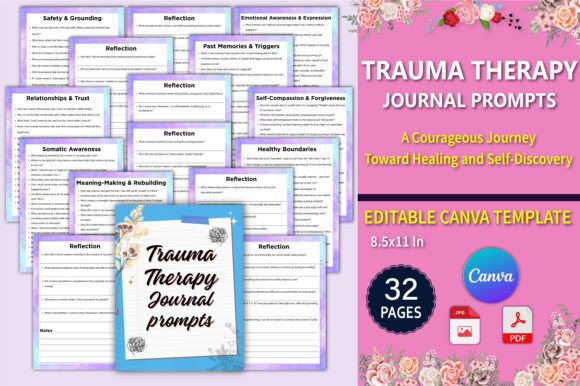
🌿 Trauma Therapy Journal Prompts: A Path to Emotional Healing and Self-Discovery
In today’s fast-paced world, emotional well-being is becoming a priority for many adults aged 20–50. As people navigate personal challenges, professional demands, and evolving mental health awareness, tools that support inner healing are gaining traction. One such resource is Trauma Therapy Journal Prompts, a compassionate and structured approach to self-exploration and recovery. Whether you're in therapy or on your own journey, these prompts offer a safe space to process emotions, reconnect with your body, and foster resilience.
The Role of Journaling in Trauma Recovery
Journaling has long been recognized as a powerful tool for self-reflection and emotional processing. However, when it comes to trauma, traditional journaling can be overwhelming. Trauma Therapy Journal Prompts are designed with this in mind—carefully curated questions that guide users through the healing process without triggering distress. These prompts encourage gentle exploration of safety, somatic awareness, and inner child healing, all while prioritizing emotional validation and self-compassion.
For professionals like therapists, coaches, and educators, Trauma Therapy Journal Prompts serve as a valuable resource. They can be integrated into therapeutic sessions or used as homework assignments to help clients engage with their healing process between sessions. For individuals who prefer self-guided healing, these prompts provide a structured yet flexible way to explore complex emotions and build a deeper understanding of themselves.
Why Trauma-Informed Prompts Matter Now
As mental health awareness continues to grow, more people are seeking accessible and effective ways to support their emotional well-being. The rise of digital wellness tools, mindfulness practices, and holistic health approaches has created a demand for resources that are both practical and empathetic. Trauma Therapy Journal Prompts meet this need by offering a non-invasive, user-friendly method for processing trauma.
Additionally, the shift toward remote work and digital communication has increased feelings of isolation and stress. Many individuals are turning to self-care practices that allow them to connect with themselves in meaningful ways. Trauma Therapy Journal Prompts provide an opportunity for introspection and grounding, helping users cultivate a sense of safety and stability in an unpredictable world.
Key Features of Trauma Therapy Journal Prompts
- Trauma-Informed Prompts: Each question is crafted with sensitivity to the needs of trauma survivors, ensuring a safe and supportive environment for exploration.
- Emotional Expression Processing: Prompts help users identify, name, and validate their emotions, fostering a deeper connection with their inner world.
- Somatic Awareness: By integrating physical and emotional awareness, these prompts encourage a reconnection with the body, which is essential for healing from trauma.
- Inner Child Healing: Prompts centered around forgiveness, worthiness, and self-love help users address past wounds and build a stronger sense of self.
- Safety, Boundaries, and Trust: Reflective questions on boundaries, voice, and trust support the development of healthy relationships and emotional security.
- Hope and Future Vision: Prompts focused on meaning and new beginnings inspire growth, resilience, and a renewed sense of purpose.
Practical Implications for Users and Creators
For everyday readers, Trauma Therapy Journal Prompts offer a simple yet profound way to engage with their emotional health. They can be used daily or as needed, making them adaptable to various lifestyles and schedules. Whether you’re a busy entrepreneur, a creative professional, or someone simply looking for a moment of reflection, these prompts provide a flexible tool for self-care.
For creators and professionals, Trauma Therapy Journal Prompts can be a source of inspiration and insight. The process of journaling can reveal patterns, thoughts, and emotions that might otherwise go unnoticed. This can lead to greater clarity, creativity, and personal growth. Additionally, the printable format makes it easy to share or use in workshops, group settings, or as part of a broader wellness program.
Businesses and organizations interested in employee well-being may also find value in incorporating Trauma Therapy Journal Prompts into their wellness initiatives. These prompts can be used as part of stress management programs, leadership development, or team-building activities, promoting a culture of emotional intelligence and self-awareness.
How Trauma Therapy Journal Prompts Evolve with Changing Needs
The field of trauma therapy is constantly evolving, and so too are the tools that support it. Trauma Therapy Journal Prompts reflect this evolution by adapting to the changing needs of individuals and communities. As society becomes more aware of the impact of trauma on mental health, there is a growing recognition of the importance of accessible, evidence-based resources.
One trend shaping this landscape is the increasing demand for personalized and flexible healing options. Trauma Therapy Journal Prompts respond to this by offering a wide range of prompts that can be tailored to individual experiences and goals. This adaptability ensures that the resource remains relevant and useful across diverse populations and contexts.
Another trend is the integration of technology into mental health care. While Trauma Therapy Journal Prompts are available as printable PDFs, they can also be adapted for digital platforms, allowing users to access them on mobile devices or integrate them into apps that support mindfulness and self-care. This flexibility aligns with modern workflows and user expectations, making the resource more accessible than ever before.
Realistic Examples and Recommendations
Consider the experience of a freelance writer who struggles with anxiety and self-doubt. By using Trauma Therapy Journal Prompts, they might begin to explore their relationship with self-worth and creativity. A prompt like “What does it mean to be creative for me?” could help them uncover deeper sources of motivation and confidence.
For a small business owner dealing with burnout, a prompt such as “What do I need to feel safe and supported in my work?” might encourage them to reassess their workload and set healthier boundaries. These examples illustrate how Trauma Therapy Journal Prompts can be applied in real-life situations, leading to tangible improvements in emotional well-being.
When using Trauma Therapy Journal Prompts, it’s important to approach them with patience and self-compassion. Not every session will yield immediate results, but consistent engagement can lead to meaningful insights over time. It’s also beneficial to combine journaling with other self-care practices, such as meditation, movement, or therapy, to create a holistic approach to healing.
Conclusion
Trauma Therapy Journal Prompts offer a compassionate and effective way to support emotional healing and self-discovery. Whether you’re in therapy or on your own path, these prompts provide a safe space to explore trauma, build resilience, and foster a deeper connection with yourself. With their focus on safety, somatic awareness, and self-compassion, they are a valuable resource for anyone seeking to improve their mental well-being in a rapidly changing world.