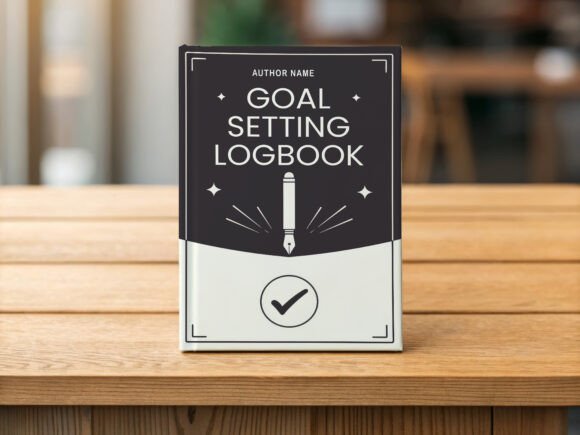
Expense Tracker Journal Cover Design
An Expense Tracker Journal Cover Design is more than just a visual element—it's a strategic tool that communicates purpose, professionalism, and precision. In today’s fast-paced world, where personal finance management is increasingly viewed as a critical life skill, the design of such a journal plays a pivotal role in attracting users who value clarity, efficiency, and style. A well-crafted cover not only grabs attention but also sets expectations for the content within, making it an essential component of any financial planning resource.
These designs often feature clean lines, minimalist layouts, and subtle yet impactful icons like dollar signs, calculators, or graphs. The typography is modern and legible, ensuring readability without sacrificing elegance. Color palettes are carefully selected to evoke trust and stability—think navy, green, gray, or gold. These choices aren’t arbitrary; they align with the psychological associations of financial responsibility and growth.
The Role of Visual Design in Branding and Communication
When creating an Expense Tracker Journal Cover Design, visual consistency is key. This extends beyond the cover itself and into the broader brand identity. Whether you're designing for a personal project or a commercial product, the cover should reflect the same visual language used in logos, marketing materials, and digital assets. This creates a cohesive brand experience that strengthens recognition and trust.
For instance, if your brand uses a specific font family or color scheme in its logo, those elements should be echoed on the journal cover. This repetition reinforces brand recall and ensures that all touchpoints feel unified. It also makes the design more scalable across different platforms, from print to web.
Typography: The Unsung Hero of Design
Typography can make or break a design, especially when it comes to something as detail-oriented as a financial journal. Choosing the right typeface is crucial. Sans-serif fonts like Helvetica or Futura are popular choices because they convey modernity and clarity. However, the weight and spacing of the text must also be considered to ensure readability at various sizes and distances.
Additionally, the hierarchy of typography helps guide the viewer’s eye. Larger, bold headings draw attention to key features, while smaller, lighter text provides supporting details. This visual structure enhances usability and makes the journal more approachable for a wide audience.
Practical Applications Across Creative Projects
The principles behind an Expense Tracker Journal Cover Design can be applied to a variety of creative projects. From social media graphics to packaging design, the emphasis on clarity, organization, and aesthetics remains consistent. For example:
- Marketing Materials: Use the same visual language to create brochures, flyers, or email campaigns that promote the journal.
- Social Media Content: Leverage the design’s clean aesthetic to craft engaging posts that highlight the journal’s benefits.
- Website and UI Design: Incorporate similar elements into landing pages or dashboards to maintain a professional look.
- Packaging Design: Ensure the box or sleeve matches the cover’s visual tone for a premium unboxing experience.
By maintaining a consistent visual identity across these areas, you not only improve user engagement but also build a stronger, more recognizable brand.
In summary, the Expense Tracker Journal Cover Design is a powerful example of how thoughtful graphic design can enhance both aesthetics and communication. By focusing on typography, color, composition, and branding, designers can create visuals that resonate with users and support their financial goals. Quality creative assets don’t just look good—they work hard to deliver clear, compelling messages that drive engagement and loyalty.