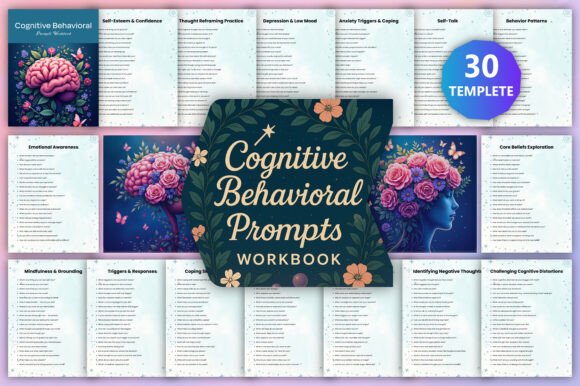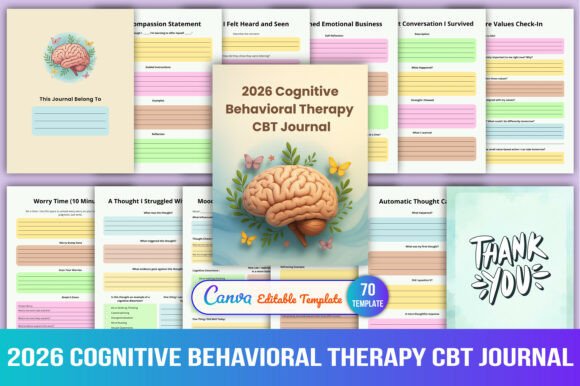
2026 Cognitive Behavioral Therapy for Everyday Mental Wellness
In a world that moves fast and often feels overwhelming, finding tools to manage stress, anxiety, and negative thought patterns has never been more important. 2026 Cognitive Behavioral Therapy is designed to meet people where they are—whether they're navigating personal challenges, balancing work and life, or simply looking to build emotional resilience. This CBT-based journal offers a structured yet flexible approach to mental wellness, helping users recognize, challenge, and reframe unhelpful thoughts in real time.
Why Use 2026 Cognitive Behavioral Therapy?
2026 Cognitive Behavioral Therapy isn't just another self-help tool—it's a practical resource that supports long-term emotional growth. It’s ideal for anyone who wants to take control of their mindset without needing a therapist. Whether you're an entrepreneur juggling deadlines, a student managing academic pressure, or a creative struggling with self-doubt, this journal provides the tools to address your unique challenges.
The key strength of 2026 Cognitive Behavioral Therapy lies in its focus on daily habits. By tracking mood patterns and documenting emotional triggers, users can begin to see how their thoughts influence their feelings and behaviors. This awareness is the first step toward change, and it’s something that fits seamlessly into everyday routines.
Real-World Applications of 2026 Cognitive Behavioral Therapy
Let’s look at some realistic scenarios where 2026 Cognitive Behavioral Therapy can make a difference:
- For Freelancers: Managing anxiety around client deadlines or financial uncertainty can be tough. Using the Daily Thought Logs, a freelancer might write, “I’m worried I won’t get enough clients this month.” Then, by challenging this thought, they can reframe it as, “I’ve had good months before, and I can take steps to improve my visibility.”
- For Educators: Teachers often face burnout from high expectations and long hours. The Mood Tracker helps them visualize when stress spikes and why. A teacher might notice that their mood dips after back-to-back meetings, prompting them to schedule breaks or delegate tasks more effectively.
- For Small Business Owners: Running a business means dealing with constant uncertainty. The Cognitive Distortion Checklists help identify thinking patterns like catastrophizing (“My business will fail if I don’t meet this goal”). Reframing this as, “I can take small steps to improve my chances,” fosters a more balanced perspective.
- For Creators: Writers, artists, and designers often struggle with self-criticism. The Self-Compassion Inner Dialogue Tools guide users to replace harsh inner dialogue with supportive language. Instead of thinking, “I’m not good enough,” they can shift to, “I’m doing my best, and that’s enough right now.”
Each of these examples shows how 2026 Cognitive Behavioral Therapy adapts to different lifestyles and challenges. The journal doesn’t force one-size-fits-all solutions—it encourages personalized reflection and growth.
What Makes 2026 Cognitive Behavioral Therapy Stand Out?
Unlike generic self-help books, 2026 Cognitive Behavioral Therapy offers a comprehensive toolkit tailored for daily use. Here’s what sets it apart:
- Daily Thought Logs: These prompts encourage users to capture thoughts as they happen, making it easier to spot patterns and triggers.
- Mood Tracker: Visualizing emotions over time helps users understand how their mental state fluctuates and what factors influence it.
- Cognitive Distortion Checklists: These lists help identify common unhelpful thinking patterns, such as mind-reading or all-or-nothing thinking.
- Resilience Reflection Pages: Celebrating small wins builds confidence and reinforces positive behavior.
- CBT Worksheets: From emotion mapping to grounding techniques, these pages provide actionable strategies for managing stress and anxiety.
- Monthly Calendar: Planning ahead gives users a sense of control and structure, which is especially helpful during busy periods.
- Grounding Coping Tools: Quick-access strategies for calming down in moments of overwhelm.
- Growth-Oriented Prompts: These encourage self-reflection and forward-thinking, helping users stay motivated and focused.
By combining these features, 2026 Cognitive Behavioral Therapy becomes more than a journal—it becomes a companion for emotional growth.
Considerations Before Starting Your Journey
Before diving into 2026 Cognitive Behavioral Therapy, it’s important to consider your goals and readiness. Are you looking for short-term relief or long-term change? How much time can you dedicate to daily reflections? Also, think about whether you need additional support beyond the journal—such as therapy or community groups.
It’s also worth noting that while 2026 Cognitive Behavioral Therapy is a powerful tool, it may not replace professional help for severe mental health conditions. If you’re experiencing persistent sadness, anxiety, or other symptoms, consulting a licensed therapist is recommended.
Ultimately, 2026 Cognitive Behavioral Therapy is meant to empower users to take charge of their mental well-being. It’s a flexible, accessible, and effective way to build resilience and emotional clarity—one thought, one day, at a time.